
 (949) 492-2141


San Juan Capistrano Braces
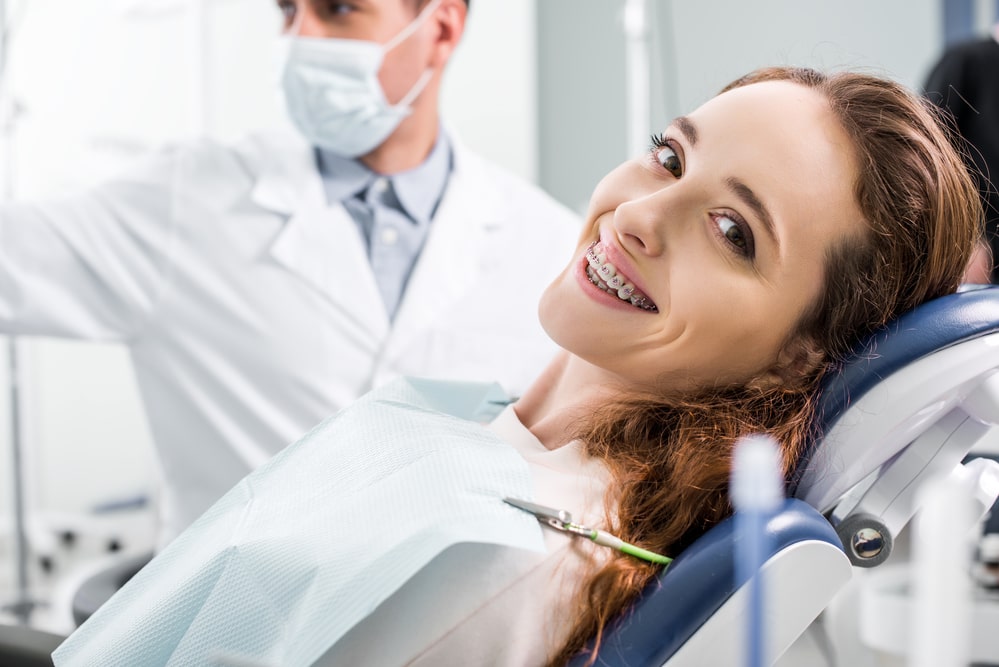
Are you looking for braces in San Juan Capistrano, CA?
At John Redmond Orthodontics, we provide braces care grounded in orthodontic training from the University of the Pacific and USC.
If you’re noticing crowded teeth, a shifting bite, or gaps that have started to bother you, braces can help. Dr. John Redmond earned his dental degree with honors from the University of the Pacific and completed graduate training focused entirely on orthodontics, and he has treated patients throughout Orange County for many years.
At our practice, San Juan Capistrano, CA braces treatment starts with a real exam rather than assumptions based on other cases, followed by a plan built around what your teeth actually need. Contact us to find out whether braces are the right option for you or your child.
Braces in San Juan Capistrano, CA
An orthodontist is a dentist who completes additional years of residency training focused specifically on straightening teeth and correcting bite problems. Braces remain one of the most reliable tools for that work, using brackets and wires to guide teeth into healthier positions gradually. Crowding, spacing, and bite issues each respond differently to treatment, which is why a proper exam matters more than a quick guess based on appearance alone.
San Juan Capistrano is home to roughly 35,000 residents, and about 21% are under 18, according to the U.S. Census Bureau. That’s a substantial number of families whose children may need an orthodontic evaluation at some point during their school years, and plenty of adults in the area never had the chance to straighten their own teeth earlier in life.
Braces Services We Offer in San Juan Capistrano
Braces treatment looks different depending on the case, the patient’s age, and what the teeth actually need to correct. We offer a range of options rather than pushing a single approach, and your first exam is what tells us which one fits. These treatments sit alongside our broader orthodontic services in San Juan Capistrano, so whichever option makes sense, it’s handled by the same office from start to finish.
- Traditional metal braces. Metal brackets and wires remain the most versatile option for complex crowding and bite correction. Today’s brackets are smaller and less noticeable than older versions, and they handle nearly any case we see.
- Ceramic braces. These use tooth-colored or clear brackets that blend in more than metal, while still applying the same reliable, wire-based force. Many teens and adults choose this option for cosmetic reasons without giving up capability.
- Lingual braces. Placed on the back of the teeth rather than the front, lingual braces stay hidden during everyday conversation. Not every case qualifies, and we’ll say plainly whether yours does.
- Clear aligners. For milder crowding and spacing, removable aligners can straighten teeth without brackets at all. They suit patients who want something less visible and are disciplined about wearing them as directed.
- Early treatment for children. Evaluating a child’s bite while the jaw is still developing sometimes allows us to guide growth and create room for adult teeth before crowding becomes severe.
- Teen orthodontics. Most permanent teeth have erupted by the early teenage years, which makes this a common and often ideal window for full treatment.
- Adult braces. Braces work at any age. Many adult patients come to us to finally address crowding or a bite that has bothered them for years, sometimes alongside cosmetic goals.
- Retainers. Once active treatment ends, a retainer keeps teeth from drifting back toward their original positions, and we’ll walk you through the schedule for wearing one.
Why Choose John Redmond Orthodontics for Braces in San Juan Capistrano, CA?
Training Behind Every Treatment Plan
Dr. John Redmond completed his dental degree with honors at the University of the Pacific School of Dentistry, then went on to earn a Master of Science in Craniofacial Biology and a Certificate in Orthodontics from USC, with a thesis focused on treatment prediction and digital orthodontics. That academic background shapes how cases get planned here, particularly ones involving more than simple crowding. He also holds membership in Orthopreneurs, a national network that shares practice management and treatment-planning approaches across independent offices, which keeps our own methods current beyond what one office sees on its own.
A Practice Built Around the Exam, Not the Guess
We rely on digital iTero scanning rather than old-fashioned impression material, which makes the planning process more precise and considerably more comfortable. Our office works with most major dental insurance plans and offers flexible payment arrangements, and costs are laid out before any tray or bracket is ordered. Braces is one part of a broader practice that also includes early treatment, adult care, and clear aligners, all handled by the same San Juan Capistrano orthodontist from the first exam through the final retainer check.
Understanding Braces Care
Conditions We Treat and Treatment Options
Braces address a range of alignment and bite problems, some cosmetic and some functional enough to affect chewing, speech, or long-term dental health. The conditions we see most often include:
- Crowding, when there isn’t enough room in the jaw for teeth to sit straight
- Spacing or noticeable gaps between teeth
- Overbite, where the upper front teeth extend well past the lower teeth
- Underbite, where the lower teeth sit ahead of the upper set
- Crossbite, where the upper and lower teeth don’t line up correctly when biting down
- Open bite, where the front teeth don’t touch even when the back teeth are closed
Treatment depends on which of these applies and how pronounced it is. Mild cases sometimes respond well to aligners, while more involved crowding or bite correction generally calls for braces. Beyond crooked teeth themselves, jaw clicking, chronic difficulty chewing, and speech that doesn’t clear up on its own are also common signs of a problem worth having examined.
What Should You Expect From Braces Treatment?
- Regular visits every four to eight weeks so we can adjust wires and check progress
- Mild soreness for a day or two after adjustments, which fades on its own
- A short adjustment period as your mouth and speech get used to the brackets
- Some changes to diet, since sticky or very hard foods can damage brackets
- More attention to brushing and flossing, since food collects around wires more easily
A brief lisp or tongue soreness in the first few days is common and typically resolves once you adjust to what to expect from the brackets themselves, and keeping up with dental health with braces matters more once that initial adjustment period passes.
What Is the Typical Treatment Timeline?
- The first visit covers an exam, imaging, and a conversation about your goals
- If you move forward, brackets or the first aligner tray are placed and explained
- You return periodically for adjustments, tray changes, and progress checks
- Active treatment most often runs somewhere between one and two and a half years
- Once treatment ends, a retainer protects the result during the retention phase
Timelines vary based on age, the complexity of the case, and how closely instructions are followed, so we give an individual estimate after your exam rather than a fixed promise. What happens with your retainer after that point matters just as much as the active treatment itself, since teeth can drift back without one.
What Should You Bring to Your First Visit?
- Your dental insurance card and a photo ID
- Any recent X-rays from a previous dentist, if you have them
- A list of medications you currently take
- Any questions you have about treatment length, appliances, or cost
The first visit is mostly a conversation. We examine your teeth, review your options, and answer what’s on your mind before any decision gets made. For a child’s first appointment, a little preparation beforehand tends to make the visit go more smoothly than showing up without any explanation of what to expect.
What Are Some Important California Braces Resources?
Patients who want to verify credentials or read further from independent sources have a few reliable places to look.
- The Dental Board of California licenses dentists statewide and lets you confirm a provider’s standing.
- The CDPH Oral Health program tracks oral health initiatives and access across California communities.
- The American Association of Orthodontists explains how braces work and who tends to benefit most.
- The NIDCR, the National Institute of Dental and Craniofacial Research, publishes research-based information on oral and dental health generally.
These resources offer general background rather than personal medical guidance, and none of them replace an exam with a licensed orthodontist who can evaluate your specific case.
Contact John Redmond Orthodontics
If crowded teeth or a bite that doesn’t feel right have been on your mind, the clearest next step is an exam. We’ll look at your teeth, discuss which type of braces fits your case, and walk through cost and timeline before you commit to anything. There’s no pressure to decide that day, and we typically respond to new inquiries within a business day or two. Whether the concern is your own smile or your child’s, contact us to schedule a visit and get a straightforward answer about what braces would involve for your case.
Patient Reviews



San Clemente, CA

Suite C
San Clemente, CA 92672
Oceanside, CA
Dana Point, CA
Orange County, CA
Laguna Niguel, CA