
 (949) 492-2141
New Patient Forms
Forms & Patient Resources
New Patients
Completing your forms ahead of time helps make your visit smoother and more efficient. Our patient forms provide us with important information so we can better understand your needs and prepare for your orthodontic appointment.
Taking a few moments to complete these forms in advance allows more time during your visit to focus on care, questions, and treatment planning.
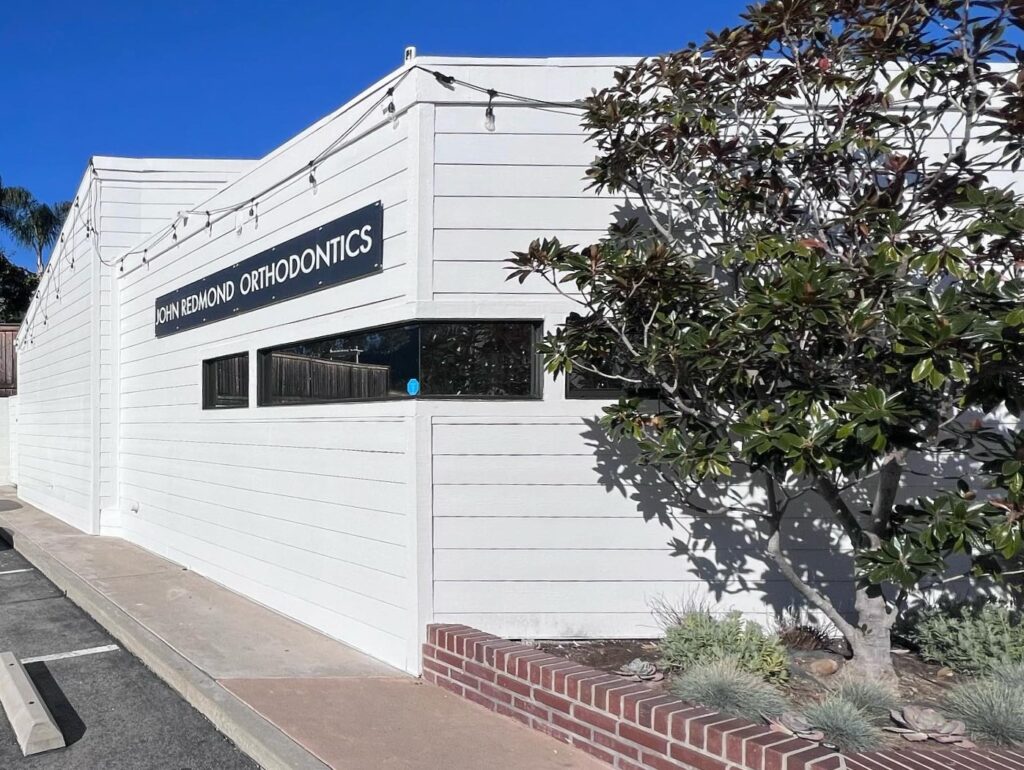
San Clemente Orthodontics Treatment FAQs
Thinking about orthodontic treatment usually brings up a pile of questions, whether you’re asking for yourself or for a kid. Here are some of the ones folks ask us most often about San Clemente orthodontics treatment.
Who Makes A Good Candidate For Orthodontic Treatment?
Almost anyone with crooked teeth, crowding, gaps, bite problems, or jaw alignment issues can be helped. Kids, teens, and adults all fit the bill. Plenty of adults who never had the chance to get braces as kids end up getting treatment later on, especially now that clear aligners make the whole thing far less noticeable. The only real way to know whether treatment makes sense for you is to come in and get evaluated. During an exam, we can walk through what’s going on with your teeth and bite and figure out whether treatment would help.
What’s The Difference Between Traditional Braces And Clear Aligners?
They both move teeth, just through different methods. Braces use metal brackets glued to your teeth, with wires connecting them, and they stay in place the whole time. Aligners, like Invisalign, are removable trays that get swapped out every week or two, gradually shifting your teeth as you go. Braces typically tackle more complicated cases and don’t rely on the patient to remember to put them back in. Aligners are nearly invisible and come out when you eat or brush. Which works better really depends on what needs correcting and how your daily life is set up. A consultation for San Clemente orthodontics treatment is the best way to determine which option fits your situation.
Where Does The Initial Exam Happen?
Right in our office. At the first visit, we use modern tools like 3D X-rays and the iTero scanner to get a clear view of your teeth, bite, and jaw. The iTero replaces the old goopy impression trays that everyone used to dread. Cleaner, faster, and more accurate. After that, we sit down with you, go over what we found, and talk through which treatment options would actually make sense given what we’re seeing.
What Happens If I Just Leave Orthodontic Issues Alone?
You can, but it usually causes more problems than it avoids. Crooked and crowded teeth are a pain to keep clean, which can lead to more cavities and gum disease over the years. Bad bites can wear teeth down unevenly, cause jaw pain, trigger headaches, and even make chewing harder than it should be. Little issues tend to turn into bigger ones the longer they go unaddressed. Getting checked out early gives you the whole picture and lets you make a real decision about what, if anything, to do.
Why Do Some Patients Finish Treatment Way Faster Than Others?
It comes down to what’s being fixed. Minor crowding or a small gap here and there can sometimes be wrapped up in under a year. Serious bite problems, big jaw alignment issues, or complicated tooth movements take longer, sometimes two years or more. Adult patients often run a bit longer than kids because adult bone doesn’t respond as quickly as a still-growing jaw. Patient compliance matters a lot, too. Aligner wearers who don’t keep their trays in the recommended number of hours a day will see treatment drag on, plain and simple.
Schedule Your Consultation
Finding the right orthodontist matters, and nobody should walk out of an appointment feeling like just another chart on the pile. At John Redmond Orthodontics, Dr. M. John Redmond brings serious training and real attention to every patient. He earned a Master of Science in Craniofacial Biology and his Certificate in Orthodontics from the University of Southern California, and he’s an active member of the American Association of Orthodontists and the Pacific Coast Society of Orthodontists. When you’re ready to find out what San Clemente orthodontics treatment might do for your smile, reach out today to book your consultation.
Frequently Asked Questions
Orthodontics is a specialized branch of dentistry focused on diagnosing, preventing, and correcting misaligned teeth and jaws. Proper alignment is not just cosmetic; it also affects how teeth function. Crooked or crowded teeth can make brushing and flossing difficult, increasing the risk of cavities and gum disease. Jaw misalignment can contribute to bite problems, speech issues, uneven tooth wear, and jaw pain. Orthodontic treatment improves both oral health and overall comfort while creating a balanced, functional bite.
Children are often encouraged to have an initial orthodontic evaluation around age seven. At this stage, an orthodontist can identify developing issues related to jaw growth, tooth eruption, and spacing. Early evaluations do not always warrant immediate treatment, but they enable monitoring and timely intervention if needed. Orthodontic treatment is not limited to children or teenagers, however. Many adults pursue orthodontic treatment later in life to address long-standing alignment issues or changes caused by aging, tooth loss, or tooth movement.
Orthodontic treatment options have expanded significantly in recent years. Traditional metal braces remain a reliable option, particularly for complex cases. Ceramic braces offer a more discreet appearance, while clear aligners provide a removable and nearly invisible alternative for many patients. Some treatments focus on jaw alignment using expanders or other appliances. Our orthodontist evaluates each patient’s needs to recommend the most effective treatment based on the patient’s alignment, lifestyle, and treatment goals.
The duration of orthodontic treatment varies with the complexity of the case and the treatment modality employed. Some patients may complete treatment in as little as 12 months, whereas others may require 2 years or more. Factors such as patient compliance, severity of misalignment, and growth patterns all play a role. Regular follow-up appointments are essential to ensure progress stays on track. After active treatment ends, retainers are typically required to maintain results and prevent tooth movement.
While improved appearance is a major benefit of orthodontics, treatment also provides important functional advantages. Properly aligned teeth improve chewing efficiency, reduce strain on the jaw joints, and promote even tooth wear. Orthodontic care can also improve speech clarity and reduce the likelihood of future dental issues. For many patients, these functional improvements contribute to better long-term oral health and quality of life.
Orthodontic treatment is an investment in both health and confidence. Whether addressing alignment concerns early in childhood or pursuing treatment as an adult, orthodontics offers solutions tailored to a wide range of needs. Understanding how orthodontic care works helps patients make informed decisions and feel more confident throughout the process.
Affiliated Organizations





 181 Avenida Vaquero